


-

Add: HeBei ShengShi HongBang Cellulose Technology CO.,LTD.
-

Email
13180486930@163.com -

CONTACT US
+86 13180486930



Метил гидрокси этил целлюлозын үнэ Метил гидрокси этил целлюлоз (MHEC) нь целлюлоз хосолмол бөгөөд уусдаг, вискозитийг сайжруулдаг, ус, шарж үүсгэх, холих зэрэг олон хэрэглээтэй, чухал химийн бодис юм. Энэ нь ихэвчлэн барилгын материал, будаг, хими, эм, хоол хүнс зэрэг олон салбарт хэрэглэгддэг. . Барилгын салбарт MHEC нь цементэн зуурмагийн үйлдвэрлэлд чухал үүрэг гүйцэтгэдэг. Энэ нь зуурмагийн шингэнийг сайжруулах, барилгын бүтээцийн бат бэхийг нэмэгдүүлэх зэрэгт нөлөөлдөг. Эдгээр шалтгааны улмаас хөрөнгө оруулалтын ханган нийлүүлэлт, барилгын бүтээгдэхүүний үнэ, барилгын ажлын хурд зэрэг хүчин зүйлсийн нөлөөгөөр MHEC-ийн зах зээлд шинжлэх ухаан, технологийн үсрэлт, мөнгөн хөрөнгө оруулалтын хэмжээ ихээхэн хамааралтай. سعر ميثيل هيدروكسي إيثيل السليلوز MHEC-ийн эрэлт нь барилгын салбар болон бусад салбарын хөгжлийн хурднаас хамааралтай. Хэдийгээр COVID-19-ийн тархалт дэлхийн эдийн засагт ихээхэн нөлөөлж байсан ч барилгын салбарын сэргэлт, шинэ төсөл, байшингийн барилга угсралтыг нэмэгдүүлэх гэх мэт хүчин зүйлс дэлхийн хэмжээнд MHEC-ийн эрэлт, үнэ өсөхөд нөлөөлж байна. Хоол хүнсний салбарт MHEC нь текстур, шингэний бүтэц, шингээлт зэргийг сайжруулах хүчтэй нэмэлт бодис гэж тооцогддог. Үүний зэрэгцээ, эмийн салбарт ч MHEC нь эмийн формула дахь шингэн, гелийн үндэс болгож хэрэглэгддэг бөгөөд үүнээс шалтгаалан MHEC-ийн чанар болон үнэ ханш нь тус салбарт чухал үүрэг гүйцэтгэдэг. MHEC-ийн зах зээлд үүсэж буй шинэ чиг хандлагууд нь байгальд ээлтэй, хэдийгээр үнэ нь өндөр боловч чанарыг нэмэгдүүлэх, хог хаягдлыг бууруулах талаар судалгаа, хөгжлийн ажилд чиглэгдэж байна. Иймд MHEC-ийг үйлдвэрлэхэд хэрэглэгдэх химийн бодисын орлуулах, экологийн зохистой хэрэглээ, био-суурь эдийн засгийн хүрээнд инновацийг бий болгох зэрэг хөгжлийн чиг хандлагыг ихээхэн анхаарах шаардлагатай болж байна. Эцэст нь, метил гидрокси этил целлюлозын үнэ нь зах зээлд маш олон хүчин зүйлээс хамаардаг бөгөөд энэ нь барилгын, эмийн, хоол хүнсний болон бусад салбарын хөгжилд нөлөөлдөг. Мөн энэ бүтээгдэхүүний хэрэглээ нь нийгэм, эдийн засгийн хөгжилд чухал үүрэг гүйцэтгэх мэдлэг, технологийн чанарыг шаарддаг. Тиймээс MHEC-ийн зах зээлийн нөхцөл байдал, хэрэглэгчдийн хэрэгцээнд дүгнэлт хийх, судалгаа хийх нь чухал юм.
- 40000tons

Production
- 20+years

Experience
- 5000+㎡

Acreage

-

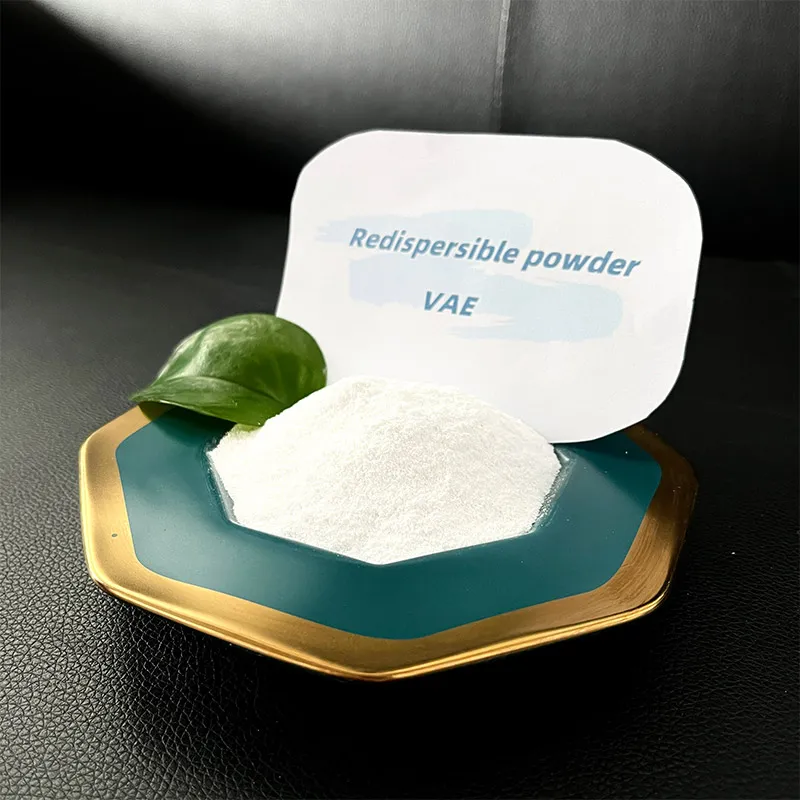
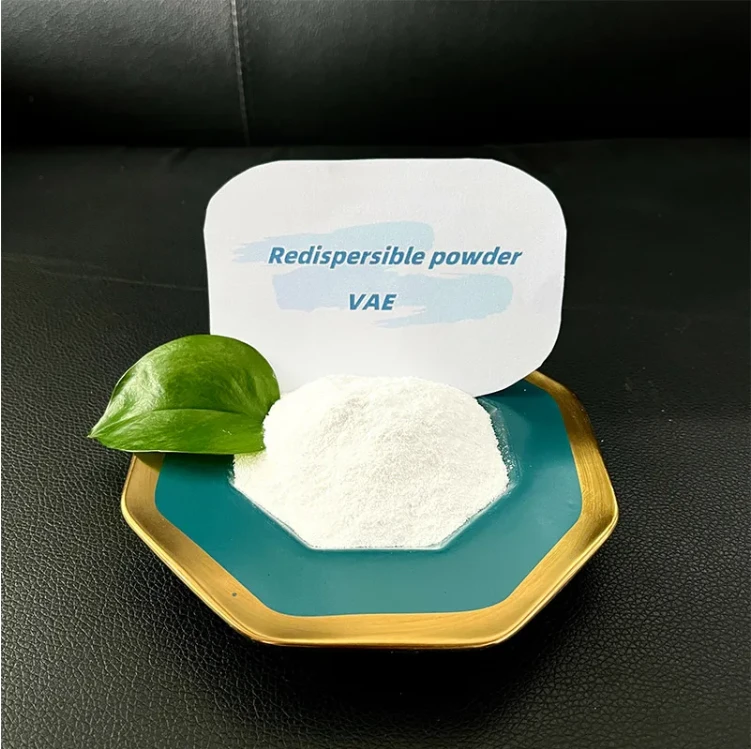
In modern construction and industrial applications, materials like redispersible polymer powder , vinyl acetate ethylene copolymer powder , and redispersible latex powder have transformed traditional practices. These advanced powders enhance performance, durability, and flexibility, enabling industries to meet contemporary demands. Meanwhile, innovations such as LDPE powder add to the versatility of polymer technology. Redispersible Polymer Powder: Enhancing Construction Efficiency Redispersible polymer powder is a key ingredient in cementitious and gypsum-based products, offering superior binding and flexibility. It works by redistributing when mixed with water, forming a film that strengthens mortar, adhesives, and plasters. The powder’s ability to improve adhesion, flexibility, and water resistance has made it indispensable in modern construction projects. Contractors rely on redispersible polymer powder to enhance tile adhesives, self-leveling compounds, and external insulation systems. Its easy integration into dry mix formulations simplifies production and application, making it a go-to solution for efficient and durable results. Vinyl Acetate Ethylene Copolymer Powder: The Backbone of Flexibility Among advanced construction materials, vinyl acetate ethylene copolymer powder stands out for its unique properties. This versatile copolymer enhances the performance of construction products by providing improved elasticity, adhesion, and crack resistance. Its ability to act as a stabilizing agent makes it ideal for applications like waterproofing membranes, grouts, and render systems. The synergy between vinyl acetate ethylene copolymer powder and other components, such as cement, creates durable and flexible formulations. By selecting high-quality redispersible polymer powder , which often includes this copolymer, manufacturers can meet the growing demands of the construction industry for more sustainable and reliable products. Redispersible Latex Powder: Versatility Across Applications For manufacturers seeking a material that offers multi-functional benefits, redispersible latex powder is an excellent choice. This innovative powder improves water retention, adhesion, and flexibility in a wide range of products, including tile adhesives, mortars, and sealants. Its redispersible nature makes it easy to transport and mix, streamlining the manufacturing process. In addition to its construction applications, redispersible latex powder plays a role in other industries, such as textiles and coatings. Its compatibility with various additives allows for customization, enabling businesses to create tailored solutions that meet specific needs. With its reliability and ease of use, redispersible latex powder remains a trusted material across sectors. LDPE Powder: Expanding Polymer Applications Complementing the benefits of redispersible polymer powder is LDPE powder , a material known for its flexibility and chemical resistance. Low-density polyethylene (LDPE) in powdered form offers a range of applications, from industrial coatings to plastic manufacturing. Its ability to enhance surface smoothness and impact resistance makes it a valuable addition to diverse industries. In construction, LDPE powder is often used to improve the performance of paints, adhesives, and waterproofing products. Its lightweight and non-toxic nature further contribute to its popularity. When combined with vinyl acetate ethylene copolymer powder or redispersible latex powder , it creates synergistic effects that maximize the durability and efficiency of the final product. Why Choose Redispersible Polymer Powder for Your Needs? Investing in high-quality redispersible polymer powder ensures improved performance and efficiency across various applications. Its ability to strengthen and enhance flexibility makes it an essential material in construction, while its compatibility with innovations like vinyl acetate ethylene copolymer powder and redispersible latex powder expands its versatility. For industries looking to optimize processes and products, materials such as LDPE powder provide additional opportunities for innovation. By leveraging the strengths of these advanced polymers, businesses can create solutions that are both cost-effective and environmentally friendly. Embrace the future of construction and manufacturing with redispersible polymer powder , vinyl acetate ethylene copolymer powder , and LDPE powder . These cutting-edge materials are paving the way for stronger, more sustainable, and more versatile products.
-
In the world of industrial applications, particularly in the realm of pharmaceuticals and construction, two polymers often come to the forefront Hydroxyethyl Cellulose (HEC) and Hydroxypropyl Methylcellulose (HPMC). Both are cellulose derivatives, but their distinct properties and applications make choosing between them a critical decision based on specific project requirements. HEC is favored in scenarios where high levels of water retention and thickening are paramount . This makes it ideal for use in paint formulations, where it acts as a rheology modifier, ensuring a smooth application and consistent pigment distribution. Moreover, in the construction industry, HEC finds its role in tile adhesives and cement-based mortars, enhancing workability and open time. Its water-retentive abilities allow for extended working times and prevent rapid drying, which is crucial for optimum setting and bonding. In contrast, HPMC is often chosen for its superior film-forming capabilities and its ability to withstand higher temperatures, making it indispensable in the pharmaceutical industry. Used as a binder and controlled-release agent in tablet formulations, HPMC ensures the stability and efficacy of medications over time. Additionally, in building and construction applications, HPMC's robust adhesive properties and resistance to environmental conditions make it an excellent choice for rendering and plastering tasks. A deep dive into the synthesis of these polymers reveals that HEC is derived by reacting ethylene oxide with alkali cellulose, while HPMC is produced by the reaction of alkali cellulose with propylene oxide and methyl chloride. These reactions imbue each polymer with its unique characteristics, influencing their solubility, viscosity, and thermal stability. For example, HEC dissolves readily in water, forming clear solutions, whereas HPMC requires a more gradual introduction to water, with full hydration enhancing its thickening efficiency. hec vs hpmc From an expert perspective, the choice between HEC and HPMC should be guided by the specific conditions of use. In a project with fluctuating temperatures or one requiring a protective film, HPMC's thermal resilience is unmatched. On the other hand, when dealing with formulations where prolonged moisture retention is critical, as seen in certain adhesive applications, HEC stands out with its exceptional hydrophilicity. Authoritative studies have supported the use of HPMC in pharmaceutical coatings where consistency and reliability are non-negotiable due to its non-toxic nature and FDA approval for direct contact with food and drugs. Similarly, trust in HEC is evident in its long-standing use in latex paint systems, where its compatibility and stability ensure a prolonged shelf-life and superior application properties. Ultimately, the decision between HEC and HPMC hinges on a nuanced understanding of the end-use environment and desired performance outcomes. Leveraging the profound expertise inherent in these materials allows industry professionals to make informed, authoritative choices, enhancing both the quality and efficiency of their products.
advantages
-

200000 Viscosities
Excellent product
We can produce pure products up to 200,000 viscosities
-

40000 tons
High yield
We don’t stop production all year round, and the annual output can reach 40,000 tons
-

24 hours
Quality service
We provide 24-hours online reception service, welcome to consult at any time
———— Inquiry Form
Schedule A services

-
 selulosi_kuni_putty
Oct . 25, 2025
When it comes to pharmaceutical excipients, one of the highly essential components is Hypromellose, -
 malakas_na_sintetikong_hibla
Oct . 25, 2025
When it comes to managing dry eye diseases, particularly Meibomian Gland Dysfunction (MGD), two type -
 retaine_hpmc_0_point_3_10ml
Oct . 25, 2025
In the dynamic world of industrial applications, the need for reliable and effective thickening agen


